There are so many leaders of color today who have set out on successful career and life journeys and owe much of their success to the groundwork laid by innovators and trailblazers before them. As we continue to celebrate Black History Month, here’s a snapshot of global innovators and influencers of the diaspora from the past who have made great strides in their industries, and the members of the international new school now carrying the torch.
[Related: Black History at Home and Abroad: 13 Leaders Whose Impact Went Global]
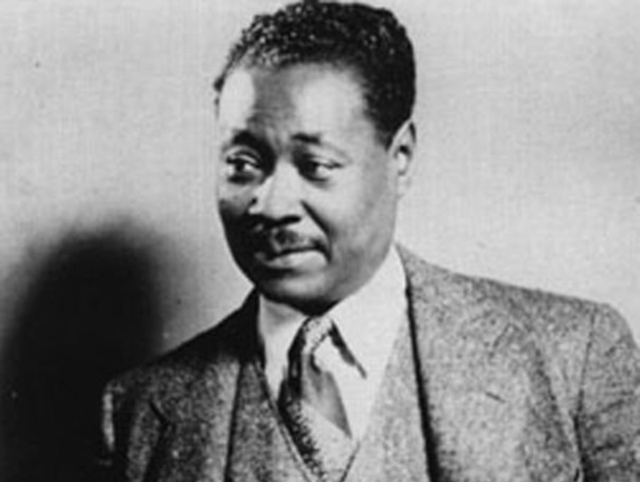
THEN: JAMES BARNOR is a pioneering Ghanaian photographer based in London. With a career spanning six decades, his street and studio photography represents themes of communities in transition, depicting Ghana moving toward independence, and London becoming a multicultural metropolis. He has been lauded as a leader in showcasing 20th century artistic expression of African life and one of the preeminent storytellers of modern African life, particularly in Ghana and the UK experience of Africans of the diaspora that could compare to the works of African American photography icon Gordon Parks.
As an activist, she was beaten and jailed for protests against President Daniel Arap Moi’s government, including its plans to build a 60-story government building in Uhuru Park in Nairobi, and she was successful in rallying support, later winning a seat as an MP after getting a majority vote. She was also a staunch opponent of what she saw as the country’s selling off of its natural resources to fund infrastructure, and in 2006, she helped found the Nobel Women’s Initiative to push for peace, justice, and equality around the world.
She has served as a volunteer at the African Youth Initiative on Climate Change, helping to plan marches, plant trees, organize conferences, attended various forums, and written about the climate and environmental issue of her country as well as Africa as a whole, citing how the challenges of global warming and infrastructure developments have affected women, children and families in rural areas. She has also served as a fellow of the African Centre for Technology Studies, and has been lauded by environmental colleagues as “the next generation of environmental leaders.”
The aftermath of the arrest led to a highly publicized trial that lasted for 55 days the next year which exposed racism in Britain against blacks at the hand of law enforcement. Deemed “The “Mangrove Nine,” all protesters were acquitted. “It was a turning point for black people,” Crichlow said in an interview. “It put on trial the attitudes of the police, the Home Office, of everyone towards the black community.” He set up the Mangrove Community Association which provided advice and assistance to immigrants of color and launched projects to improve housing, establish youth facilities and services for the elderly, and help rehabilitate ex-offenders and drug and alcohol addicts. He also served as a central figure in the development of the Notting Hill Carnival which celebrates the culture of Afro Caribbeans and is the largest street festival in Europe.
A key figure at Imkaan, a black feminist organization “dedicated to addressing violence against women and girls,” Larasi works to ensure that the young female perspective is represented in conversations about violence against women and girls. As an advocate for women’s rights, she’s been a featured speaker at the International Women’s Day Million Women Rise March in London which called for an end to violence against women in the U.K., and the Women Of The World
festival which celebrates the accomplishments of women and girls and is broadcast internationally via the BBC. She also serves as a member of the Black Feminists and has written insights on feminism and the images of black women in pop culture for publications including The Guardian.
She was also the public relations director for Jamaica’s first feature film, The Harder They Come, a cult classic starring music star Jimmy Cliff. She’s created eight films and founded the Jamaica Film Academy after relocating from the U.K. to the island in the 1970s.Â
Mo Abudu, described by Forbes as “Africa’s Most Successful Woman,” is a Nigerian media entrepreneur and talk show host and founder of Ebony Life TV, an African multi-broadcast entertainment network. Born in Nigeria but raised and educated in the U.K, she worked in human resources and recruitment before venturing to start her own news and lifestyle show, Moments with Mo, the first syndicated daily talk show on African regional television. Its past guests are a who’s who of international politics, business, healthcare and more, with now-Democratic presidential candidate Hillary Clinton among those guests who have been interviewed on her show. She also executive produced and created of The Debaters, a reality TV show featuring orators and Fifty, a film which sold out in London during its October premier there last year and was well-received by audiences in Africa and Europe thereafter.