


- Waste Management
- Previously, the Environmental Protection Agency has approved nine landfills in the Gulf Coast to receive the waste products from the BP Gulf Oil Spill. Five of those nine landfills were located in communities where a majority of residents are people of color, according to data compiled by Robert Bullard, director of the Environmental Justice Resource Center (EJRC) at Clark Atlanta University, and long time EJ advocate.
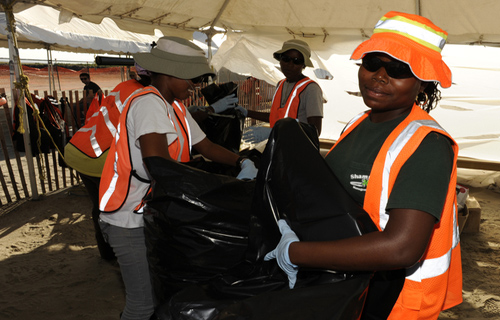
- He found that a significantly large share of the oil-spill waste–24,071 tons out of 39,448 tons (61%)–was dumped communities where people of color live, Bullard wrote on DissidentVoice.org, a social justice blog. Many of those communities were located along “Cancer Alleyâ€, a 85-mile stretch along the Mississippi from Baton Rough to New Orleans predominantly inhabited by African Americans and Latinos, and which has an increased incidence of cancer risk, allegedly due to landfills and petrochemical plants. As of this month, there are now 19 landfills designated to accept oil spill waste. The EPA says those landfills, which are not designed for hazardous wastes were used because waste from petroleum operations is exempt from hazardous-waste rules. Much of the waste included oil-stained gloves, boots, and boom used to clean up decontamination areas.
- BP is required to sample and test collected waste weekly and the EPA is doing its own sampling to confirm, said EPA spokeswoman Betsaida Alcantara in a Miami Herald article. Residents near the landfills are concerned that oil spill waste will leak into groundwater or volatilize into the air.
One Year Later, Gulf Oil Spill Continues to Impede Gulf Progress